A 777 Premium Retrofit Costs ~$23M. The Real Bet Is Premium Demand Through 2030.
Every full-service carrier with a long-haul operation is in the middle of a multi-billion-dollar premium retrofit cycle. Here's what it actually costs, what the payback math says, and what the spreadsheet doesn't tell you.
American is sending 777s to Hong Kong. Emirates is gutting 219 aircraft for $5 billion. British Airways has Club Suites on 91 planes. United just put its newest cabin on the first 20 Dreamliners. Every full-service carrier with a long-haul operation is in the middle of a multi-billion-dollar premium retrofit cycle.
What does it actually cost, and what does it pay back?
What a single business class seat costs
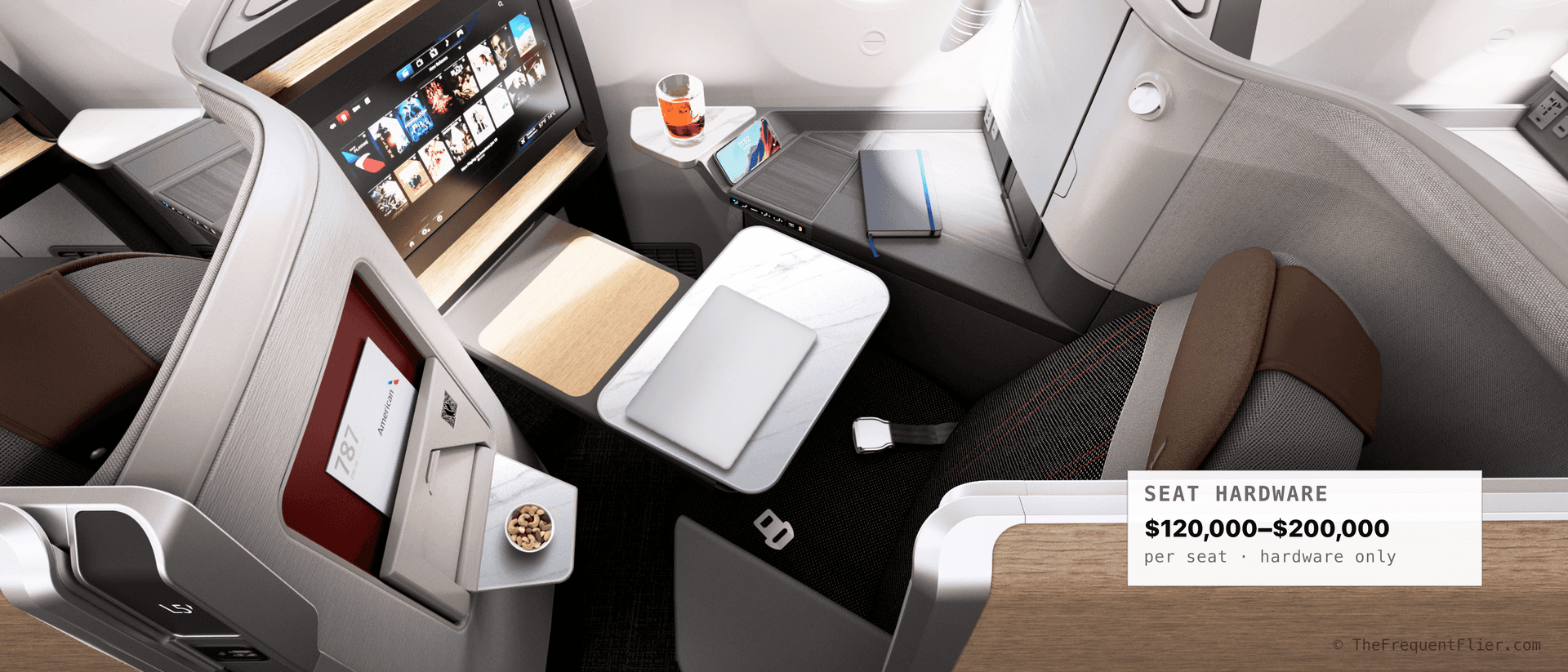
Start with the seat itself. A modern lie-flat suite with a privacy door — Polaris Studio, Flagship Suite, Club Suite, Allegris — costs $120,000 to $200,000 per seat in hardware, per airline analyst Robert Mann at R.W. Mann & Co. Older recliner-style business class is $60,000 to $100,000. First class suites run $250,000 to $500,000 and up.
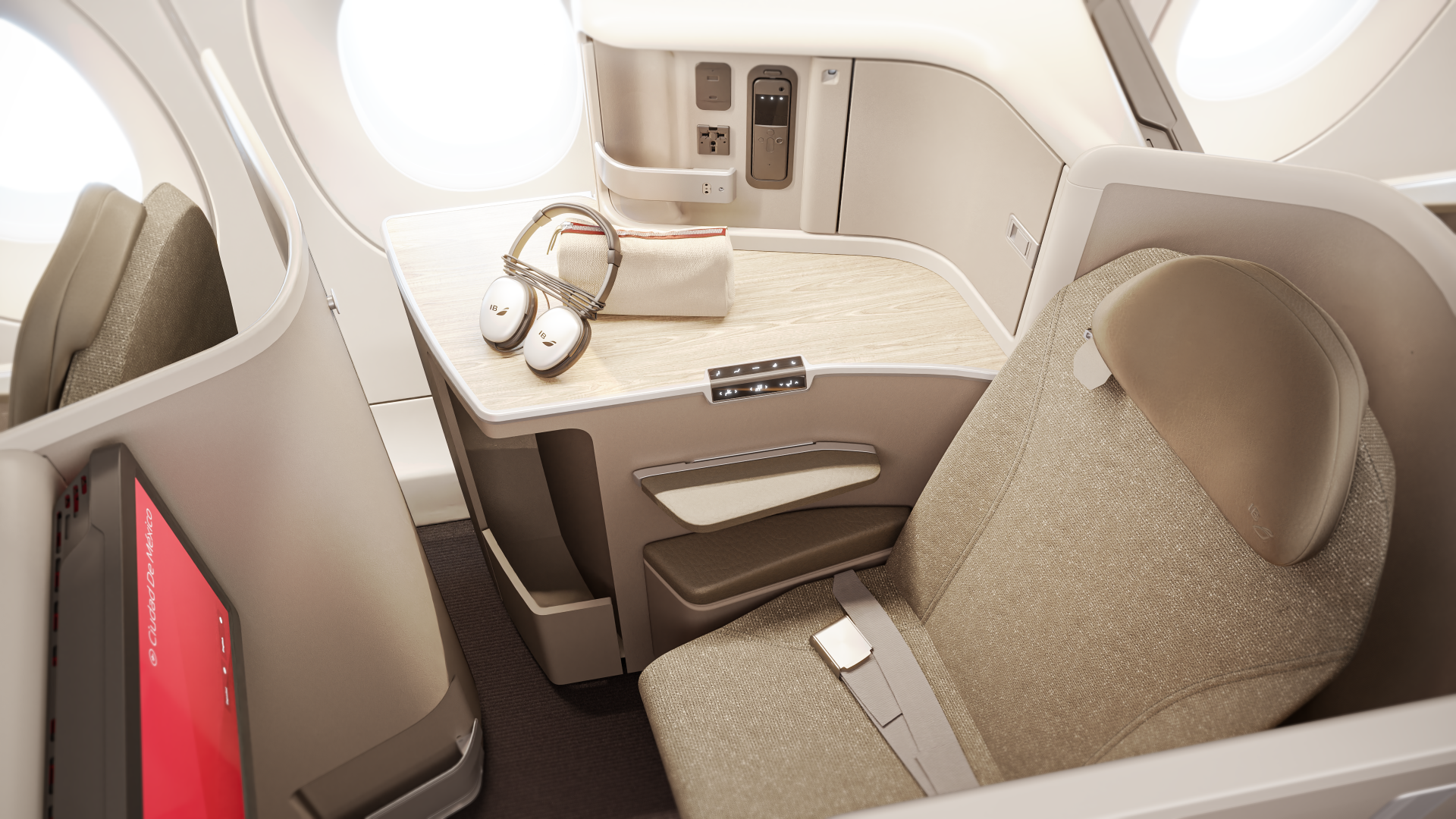
Three reasons the cost is high. Each seat has to pass federal crashworthiness testing, which gets expensive fast. The integrated entertainment screen and lie-flat motors then trigger a separate certification process on top of the seat itself. And development amortizes over a small unit run because every airline wants its own finishes.
The supply chain is now binding. Safran reported business class seat deliveries fell 25% in the first quarter of 2024. Boeing's 2024 deliveries slowed because the seats couldn't keep pace with the airframes. The fancy seat has become the constraint on whole-aircraft programs.
What a full retrofit costs
Hardware is just the start. Strip the cabin, install the seats, redo galleys and lavs, integrate in-flight entertainment and Wi-Fi, recertify, and the per-aircraft number gets bigger fast.
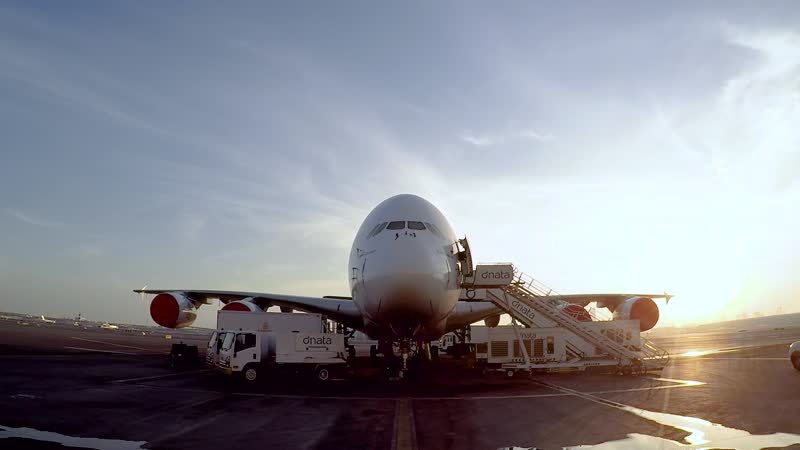
The cleanest disclosed figure comes from Emirates. The carrier announced a $5 billion investment for 219 aircraft (110 A380s and 109 777s), about $23 million per aircraft on average. That's the cleanest publicly disclosed per-aircraft retrofit figure for a widebody fleet.
Inside a $23M widebody retrofit
- Premium seat hardware (~114 × ~$160K avg)$18.2M79%
- IFE + structural integration$2M9%
- Install + recertification$1.5M7%
- Downtime opportunity cost (8 wk)$1.3M6%
Air India committed $400 million for 67 aircraft (40 widebodies and 27 narrowbodies, around $6 million across the mixed fleet). British Airways' Club Suite program covers 91 aircraft, 73 of them retrofitted. American's Project Olympus reconfigures 20 × 777-300ERs from 8F+52J+24PE+216Y to 70J+44PE+216Y. That's +30 net premium seats. United just finished its seven-year Polaris rollout across roughly 86 aircraft. Lufthansa's Allegris is a €2.5 billion Group product investment covering 80+ new aircraft plus retrofits of in-service A380s and 747-8is, with 27,000 seats replaced overall. Most of these programs don't disclose per-aircraft cost. Emirates is the only public anchor; the rest tell us scope, not spend.
| Carrier | Aircraft | Scope | Premium seats | Disclosed cost |
|---|---|---|---|---|
| EK | Aircraft219 | Scope110 A380 + 109 777, full-fleet retrofit | Premium seats+4,000 PE · 728 F refurbished · 5,000+ J upgraded | Disclosed cost$5.0B / ~$23M per aircraft |
| AA | Aircraft20 | Scope777-300ER reconfig · Project Olympus | Premium seats84 → 114 (+30 net premium) | Disclosed costNot disclosed |
| BA | Aircraft91 (73 retrofit · 18 new) | ScopeClub Suite rollout · 777, 787, A350-1000 | Premium seatsReplacing Club World fishbone fleet-wide | Disclosed costNot disclosed (subset of £7B 2024–26) |
| UA | Aircraft~86 retrofit · 21 new | ScopePolaris + Premium Plus · 777 & 787 · 7-year | Premium seatsOriginal Polaris build-out, complete | Disclosed costNot disclosed |
| AI | Aircraft67 (40 widebody · 27 narrowbody) | ScopeLegacy fleet upgrade · 2024–2027 | Premium seatsThree-class config rollout | Disclosed cost$0.4B / ~$6M mixed-fleet avg |
| LH | Aircraft80+ new · 8 A380 + 747-8 retrofit | ScopeAllegris · 27,000 seats replaced overall | Premium seatsNew J + first-class re-introduction | Disclosed cost€2.5B Group product investment |
And the plane is out of service for 8 to 10 weeks
A full widebody cabin retrofit takes 8 to 10 weeks per industry analyst data. A long-haul widebody on prime international routes generates roughly $200,000 to $400,000 a day in revenue at typical loads and yields. Two months out of service is, illustratively, $5 to $7 million in net contribution forgone, on top of the retrofit cost.
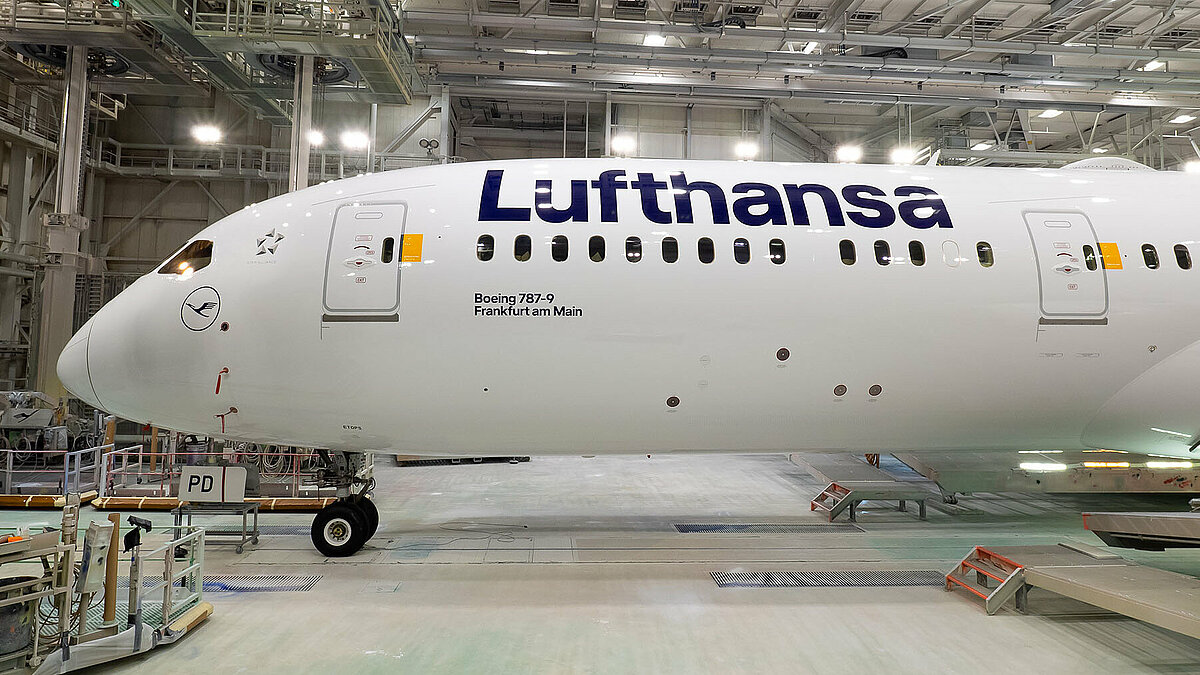
Then add the queue penalty. With seat suppliers backed up, a slot booked for 2025 might run into 2026. American announced Project Olympus in September 2022 and finally sent its first 777-300ER to Hong Kong in December 2025. Three years of supplier delays before a single aircraft started.
What the revenue side looks like
Every carrier is doing this anyway because premium seats deliver disproportionate revenue. According to IATA, business and first class together contributed about 20% of industry passenger revenue while representing only 7% of revenue passenger-kilometers on the 2011–2019 average. That's a 3× revenue density relative to seat capacity. On long-haul routes the gap is wider.
The live trajectory is more striking. Delta's Q1 2026 numbers: premium revenue of $5.4 billion against main cabin revenue of $5.4 billion plus $41 million. Premium grew 14% year over year. Main cabin grew 1%. Premium will overtake main cabin on a full-year basis in 2026, a year ahead of Delta's own projections, the first time in the carrier's century-long history. Ed Bastian said in October 2025 that he saw no sign of premium-travel demand slowing down.
Show your work
Run the math on AA's Project Olympus. Same fuselage, +30 net premium seats.
Boeing 777-300ER· AA
A J seat on a 777-300ER long-haul, at typical load factor and yield, generates roughly $550,000 in annual revenue. The four coach seats it replaces in the same physical real estate generate roughly $200,000 together. Marginal annual revenue per added J seat over coach-equivalent: ~$350,000. Net of higher variable costs (premium meals, crew time, amenities), call it ~$175,000 in net contribution per added J seat per year.
Thirty added premium seats × $175,000 = $5.3 million/year incremental net contribution. Add modest yield uplift on the 84 existing premium seats from the new product, call it 5–10%, or another ~$1–1.5 million/year. Total: ~$7 million/year incremental net contribution, against the $23 million retrofit cost. Payback: ~3 years.
Years to break-even — sensitivity
- 1.8y
Retrofit cost ($M / aircraft)
$18M
Annual incremental contribution ($M)
$10M
- 2.3y
Retrofit cost ($M / aircraft)
$23M
Annual incremental contribution ($M)
$10M
- 3y
Retrofit cost ($M / aircraft)
$30M
Annual incremental contribution ($M)
$10M
- 2.6y
Retrofit cost ($M / aircraft)
$18M
Annual incremental contribution ($M)
$7M
- 3.3y
Retrofit cost ($M / aircraft)
$23M
Annual incremental contribution ($M)
$7M
- 4.3y
Retrofit cost ($M / aircraft)
$30M
Annual incremental contribution ($M)
$7M
- 3.6y
Retrofit cost ($M / aircraft)
$18M
Annual incremental contribution ($M)
$5M
- 4.6y
Retrofit cost ($M / aircraft)
$23M
Annual incremental contribution ($M)
$5M
- 6y
Retrofit cost ($M / aircraft)
$30M
Annual incremental contribution ($M)
$5M
Aircraft typically fly 15 to 25 years post-retrofit. Three years to payback, then 12 to 22 years of upside. The capex math is rational.
What the math doesn't tell you
What every airline is replacing — and with what
American
Old → New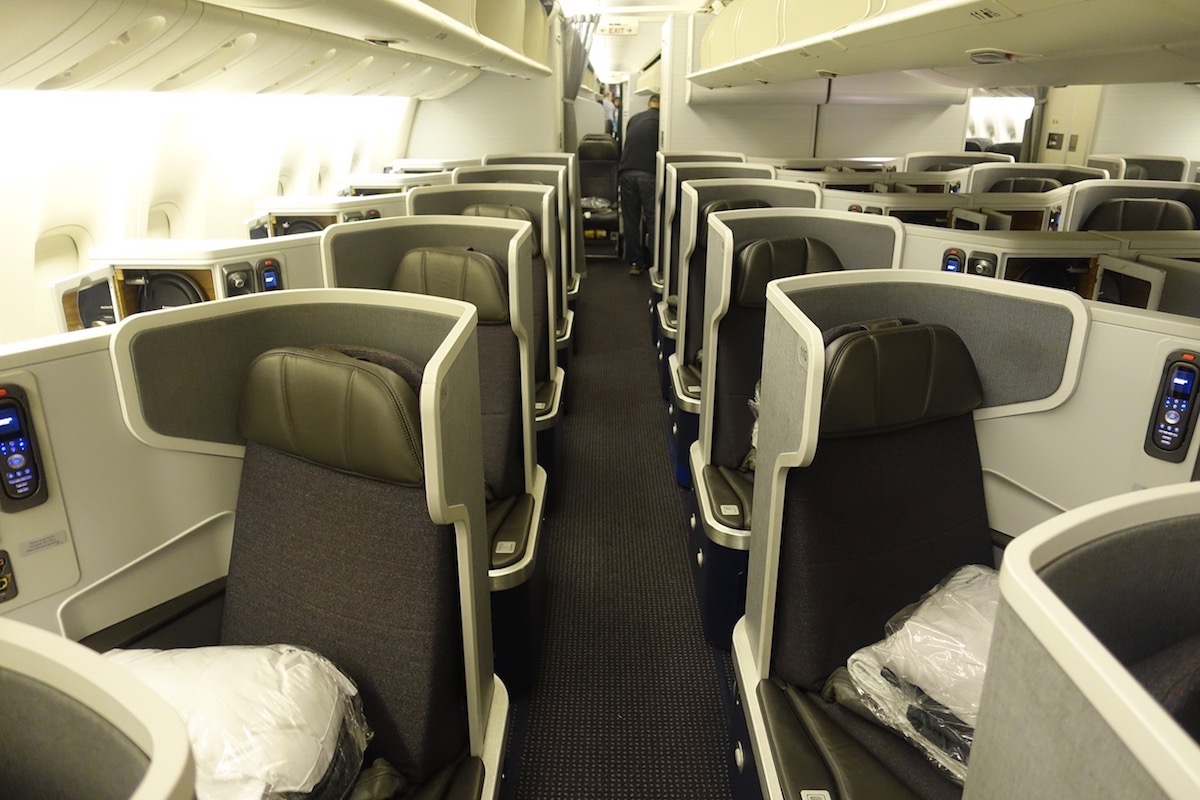
Flagship Business
Safran/Zodiac Cirrus II · 2013
- Reverse herringbone
- No privacy door
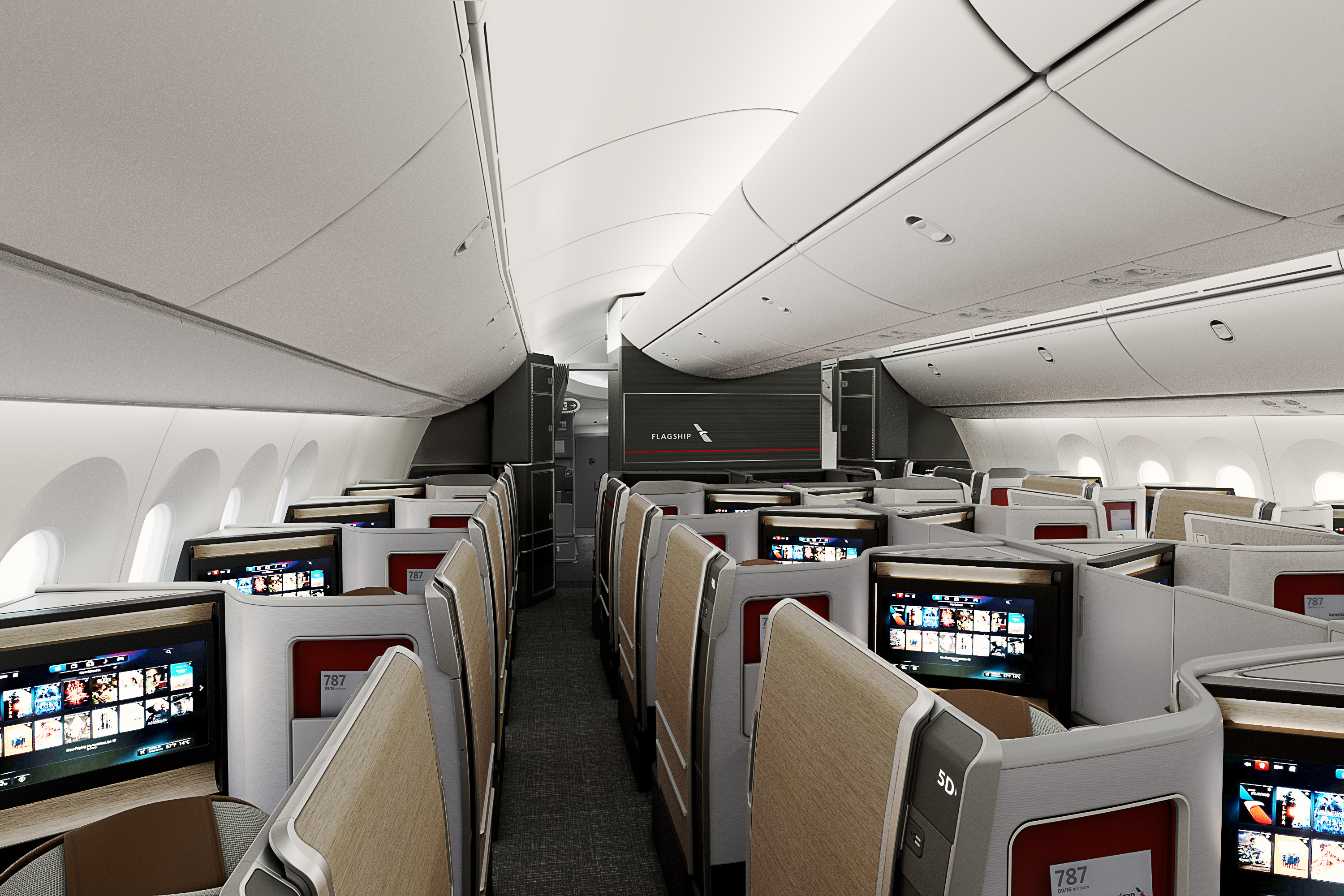
Flagship Suite
Adient Ascent · 2025
- Sliding privacy door
- Wireless charging
United
Old → New
Polaris
Safran (custom) · 2016
- No door
- 1-2-1 layout
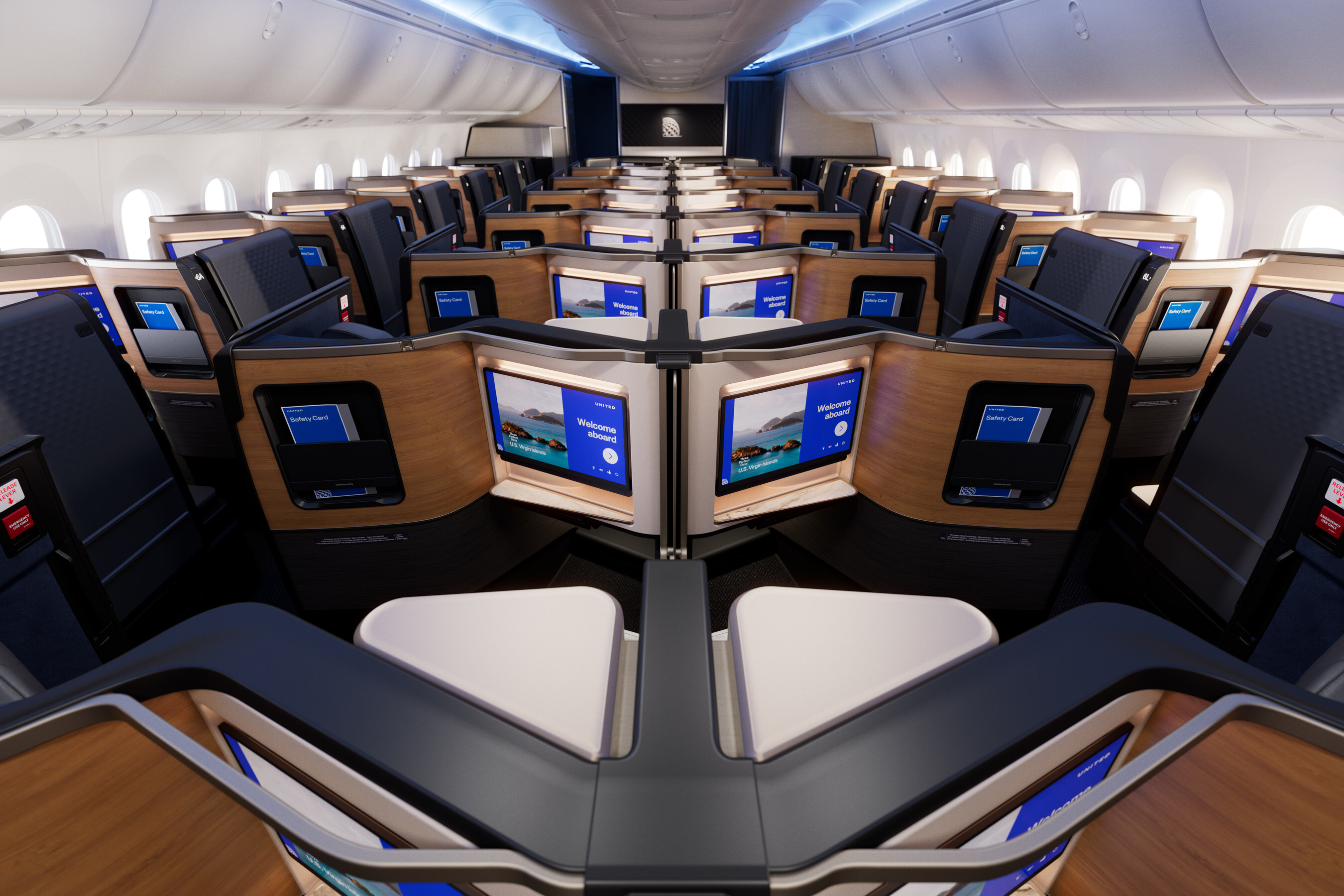
Polaris Studio
Adient Ascent · 2026
- 27" 4K OLED IFE
- 25% larger footprint
British Airways
Old → New
Club World
Contour · 2006
- Yin-yang layout
- Forward + rear-facing

Club Suite
Collins Super-Diamond · 2019
- Sliding door
- 1-2-1 forward-facing
Lufthansa
Old → New
Business Class
Various · 2012
- No door
- Mixed layouts
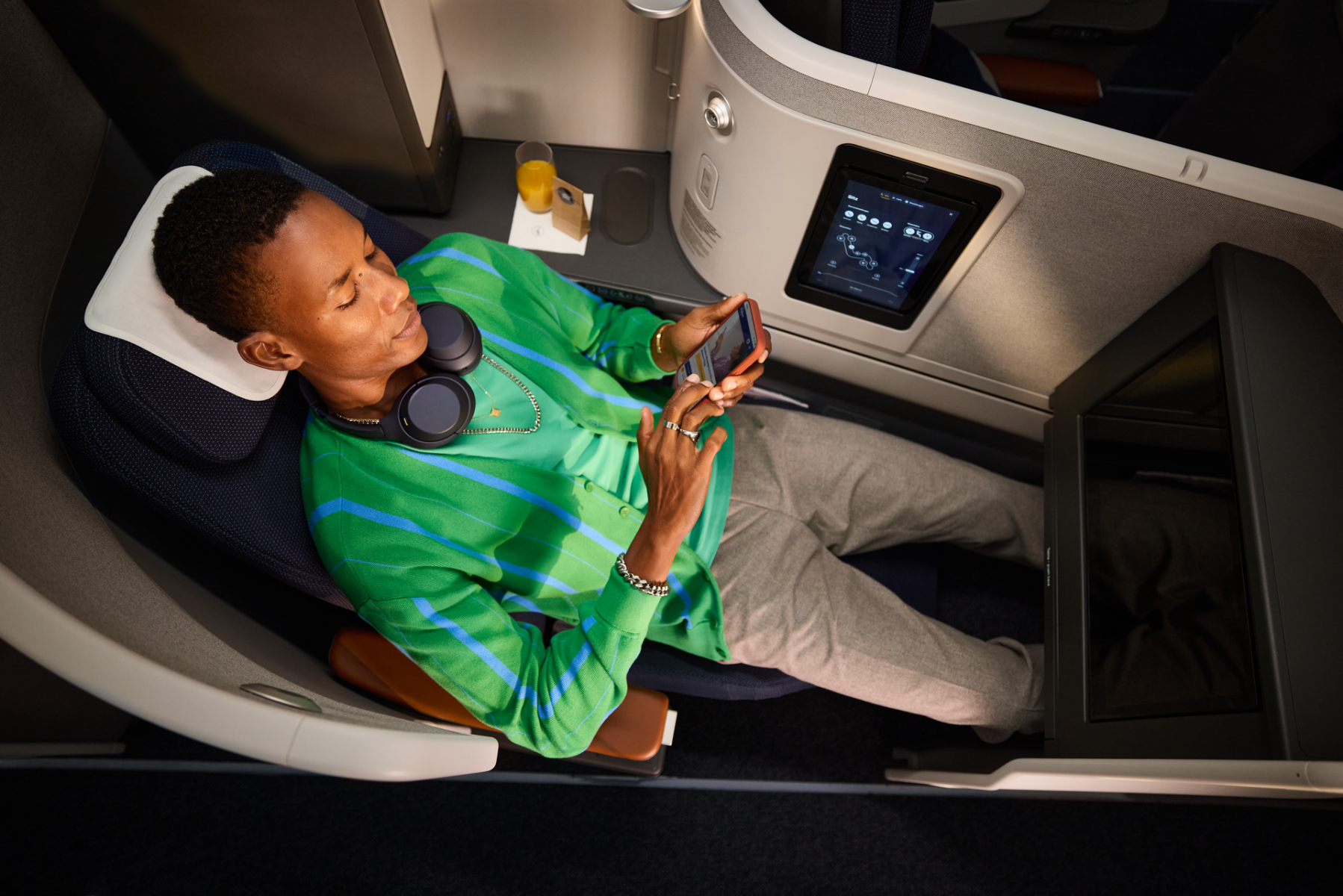
Allegris
Custom (Lufthansa Group) · 2024
- Sliding door
- Multiple sub-cabins (extra-long bed, suite, suite plus)
The retrofit math works if premium demand holds at current yields through 2030 and beyond. Premium demand cycles end. The cleanest recent example: 2008–2009. IATA reported industry passenger revenue fell from $528 billion in 2008 to $448 billion in 2009. Down 15% in a year. The largest single-year demand decline since World War II. European carriers saw what IATA called a collapse in demand for premium services across every major market. Corporate travel got cut hard. Business class got cut harder.
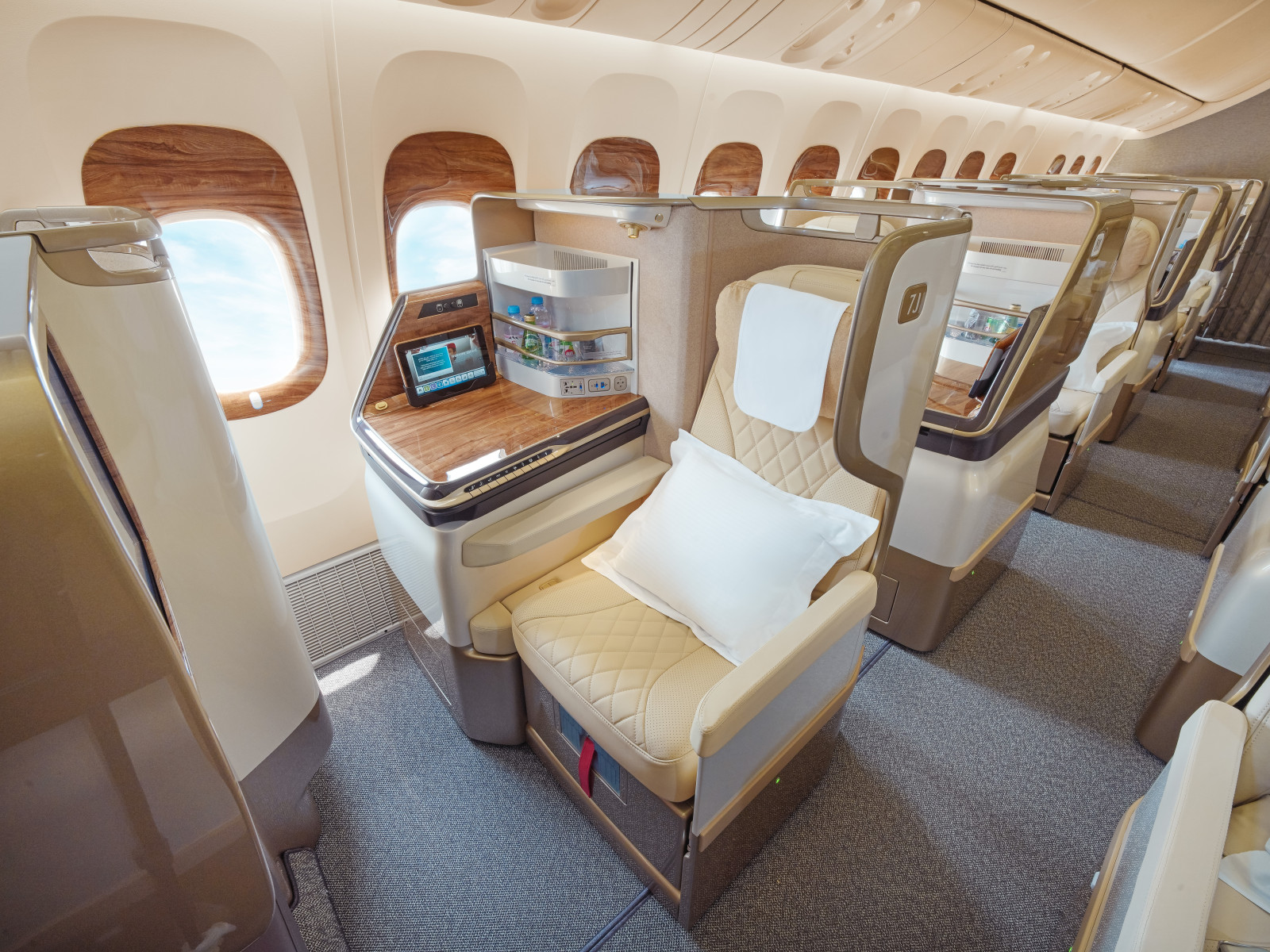
The current premium boom is roughly four years old. If demand reverts in 2027 or 2028, the carriers most aggressively expanding premium seat counts at peak yields are the most exposed. Recession, corporate-travel pullback, premium-leisure normalization, take your pick.
The capex math is rational. The bet airlines are making isn't on retrofit cost. It's on premium demand persisting through 2030 and beyond.
That bet is the actual risk on the spreadsheet. Not the $23 million.
A lie-flat suite costs the price of a luxury car, and the airline buys 70 at a time. The math says fine. The cycle says watch.
Explore the data
Agree or disagree?
Tell me what I missed, what you'd add, or where the argument breaks.